A stroke is a medical emergency caused either by a blocked blood vessel supplying the brain (ischaemic stroke) or by bleeding in or around the brain (haemorrhagic stroke). In both cases, brain cells can be injured when they do not receive enough oxygen and nutrients. The effects depend on which part of the brain is affected and how quickly treatment begins.
A stroke does not always leave someone unconscious, paralysed or unable to speak. A person may remain awake, walk and talk while experiencing sudden numbness or weakness—particularly on one side of the body—difficulty finding words, loss of balance or changes in vision.
These symptoms can be mistaken for tiredness, stress or ageing. However, sudden neurological changes should never be dismissed, even when they seem mild or improve quickly. Delaying assessment can reduce access to time-sensitive treatment and increase the risk of lasting disability.
According to the Department of Statistics Malaysia (DOSM), stroke recorded without a specified ischaemic or haemorrhagic type accounted for 2.6% of medically certified deaths in 2024, making this category the sixth principal cause of death in Malaysia.
Dr Aaron Lai Kuo Huo, Consultant Emergency Physician at Sunway Medical Centre, Sunway City (SMC), says:
“Many people expect a stroke to look dramatic, but that is not always the case. When symptoms appear mild, many people choose to wait and see if they improve, but these delays can reduce the opportunity for timely assessment and treatment,”
Why every minute matters
Brain tissue is vulnerable to reduced blood flow. In an ischaemic stroke, some patients may be eligible for intravenous thrombolysis, which uses medicine to dissolve a clot, or endovascular thrombectomy, a procedure that removes a clot from a large blood vessel. Eligibility depends on factors including the type and location of the stroke, the time since symptoms began, brain imaging and the person’s overall condition.
Treatment is not based on symptoms alone. Hospitals usually need urgent brain imaging—typically a CT scan, sometimes supplemented by CT angiography, CT perfusion or MRI—to determine whether a blockage or bleeding is present and whether specific treatments are safe.
Some treatments are most effective when given as soon as possible. Selected patients may still benefit from treatment beyond the conventional time windows when advanced imaging shows that salvageable brain tissue remains. This does not mean people should wait: earlier assessment generally provides more options and allows complications to be managed sooner.
When symptoms disappear, act anyway
Stroke symptoms that disappear after a few minutes may indicate a transient ischaemic attack (TIA), commonly called a “mini-stroke”. A TIA is temporary because the blood flow interruption resolves before permanent injury is established, but it remains a warning sign.
“Even if symptoms improve, urgent medical assessment is still needed,” Dr Aaron adds.
A TIA can signal a high risk of a subsequent stroke, particularly soon after the event. The cause may be a narrowed artery, an irregular heart rhythm such as atrial fibrillation, or another condition that requires treatment.
Assessment may include brain and blood-vessel imaging, blood tests, heart-rhythm monitoring and an evaluation of risk factors.
Because symptoms may have resolved by the time a person reaches hospital, the event should still be described clearly: what happened, which side was affected, how long it lasted and when the person was last known to be well.
Recognise the change and act quickly
The BE FAST check can help identify possible stroke symptoms:
- B — Balance: sudden loss of balance or coordination
- E — Eyes: sudden loss or alteration of vision
- F — Face: facial drooping or an uneven smile
- A — Arms: sudden weakness or numbness in an arm
- S — Speech: difficulty speaking, finding words or understanding speech
- T — Time: seek emergency help immediately
BE FAST is a prompt, not a diagnostic test. A person does not need to experience every symptom before help is sought. Sudden severe headache, confusion, new difficulty swallowing or an abrupt loss of coordination can also require urgent assessment, particularly when they occur with other neurological changes.
“Someone experiencing a stroke may still be able to walk or talk, which is why the condition is sometimes overlooked. If stroke is suspected, families should call for an ambulance and try not to drive them to the hospital yourself where possible. In an ambulance, emergency medical personnel can begin monitoring the patient on the way and alert the hospital to prepare for urgent treatment,” he explains.
Calling an ambulance can help reduce delays and allows emergency personnel to monitor the patient and communicate with the receiving hospital. While waiting, families should:
- keep the person in a safe, comfortable position;
- follow the dispatcher’s instructions;
- avoid giving food, drinks or medication unless advised by healthcare professionals;
- avoid giving aspirin, because bleeding must be excluded before antiplatelet treatment is started;
- note the exact time symptoms began, or the time the person was last known to be well; and
- bring a list of medications and relevant medical information if this can be done without delaying departure.
Do not assume that a person who improves no longer needs help. Symptoms that resolve can still reflect a TIA or a stroke that requires urgent treatment.
Risk factors can often be managed
Stroke risk rises with age, but it is not an inevitable part of ageing. Important modifiable risk factors include high blood pressure, diabetes, high cholesterol, smoking, obesity, physical inactivity, unhealthy alcohol use and certain heart conditions, especially atrial fibrillation.
High blood pressure is one of the most important preventable contributors to stroke. It often causes no symptoms, so regular checks are important. Managing blood pressure, blood glucose and cholesterol may involve lifestyle changes as well as prescribed medication.
People with atrial fibrillation may need anticoagulant medication to reduce the risk of clots, depending on their individual risk and bleeding considerations. Medication should be taken exactly as prescribed and should not be stopped without medical advice. Always talk to your healthcare providers for medication advice.
Preventive care is tailored to the individual. A clinician may review blood pressure, cholesterol, diabetes, smoking, diet, activity, sleep, kidney disease, heart rhythm and previous TIA or stroke. The purpose is not simply to treat one risk factor, but to reduce overall vascular risk.
Recovery continues after hospital discharge
Recognising stroke quickly is essential, but recovery does not end when a patient leaves hospital. Dr Lim Swee San, Consultant Neurosurgeon at Sunway Medical Centre, Sunway City (SMC), says families may underestimate the effects that remain after discharge.
“Families often judge recovery based on whether someone can walk again. However, stroke can also affect speech, memory, concentration and emotional wellbeing. These difficulties may not always be visible, but they can have a major impact on daily life, work and independence.” says Dr Lim
Stroke can affect movement, balance, coordination, speech, language, swallowing, vision, memory, attention and emotional regulation. Fatigue and depression are also common after stroke.
Some people experience aphasia, which affects communication, while their intelligence remains intact. Others may have difficulties that are noticeable only during complex tasks, conversations or work.
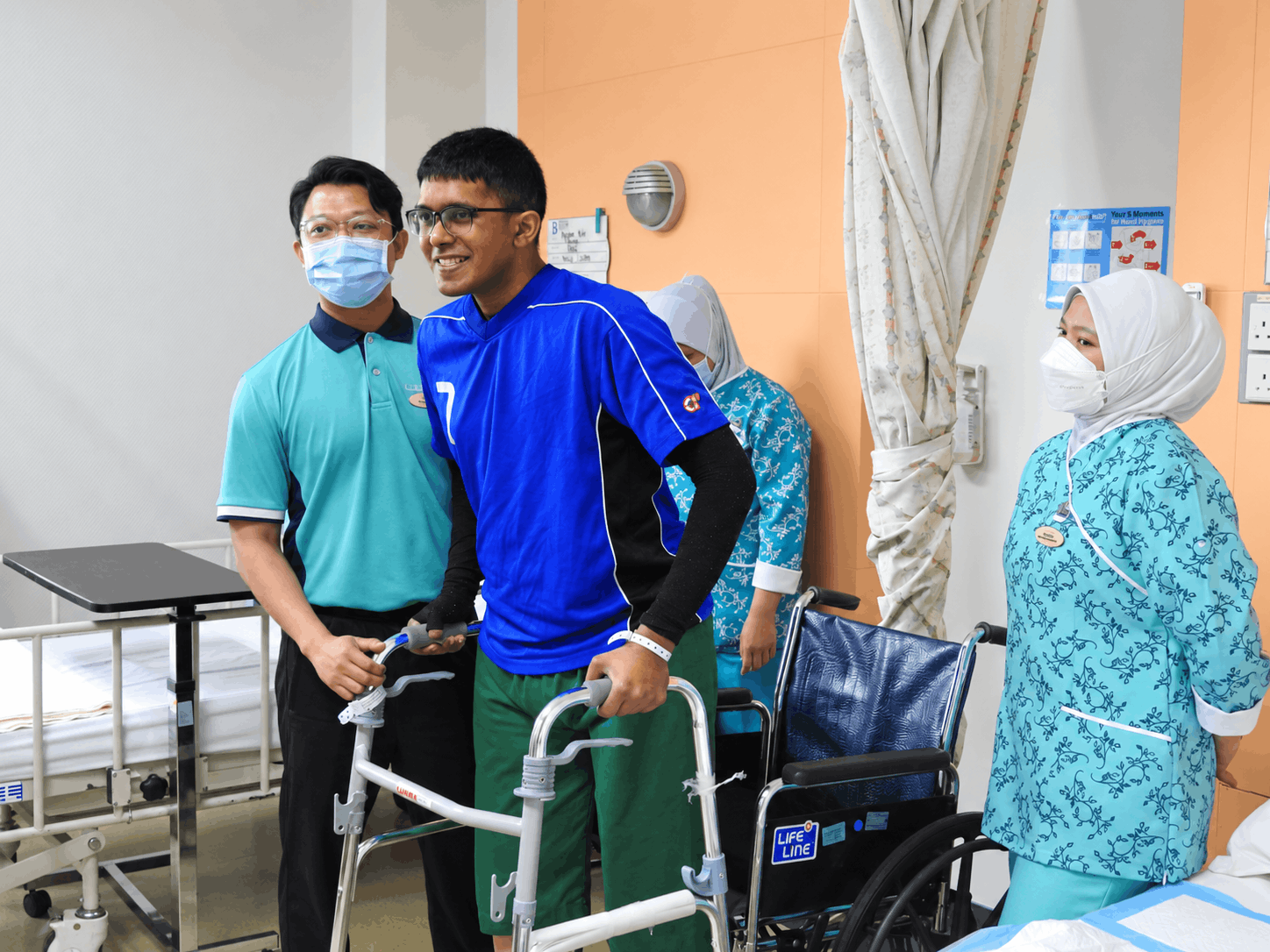
Rehabilitation is an important part of stroke care. A coordinated team may include doctors, nurses, physiotherapists, occupational therapists, speech and language therapists, psychologists, dietitians and social workers.
Assessment and planning should begin early, with therapy introduced when the treating team considers it medically safe and appropriate.
Rehabilitation may focus on:
- walking, balance and arm or hand function;
- communication and language;
- swallowing and safe nutrition;
- memory, attention and problem-solving;
- personal care and household activities;
- returning to work, driving or education where appropriate;
- managing fatigue, mood and emotional changes; and
- adapting the home to reduce falls and improve safety.
The amount of recovery cannot be predicted by the size of the stroke alone. Its location, the severity of the initial injury, other medical conditions, complications and access to rehabilitation all matter.
A relatively small stroke affecting an area responsible for a key function can have a substantial effect on a person’s abilities.
“Recovery is different for every survivor. Two people with a similar stroke may recover very differently. The challenges they face, the rehabilitation they require, and the time needed to recover can vary considerably from person to person,” says Dr Lim.
Recovery is often fastest in the early weeks and months, but improvement can continue for much longer. Progress may be uneven, a person may improve in one area while continuing to need support in another. Repeated practice, appropriate therapy and realistic goals can help people build skills and increase independence.
For one survivor, the main goal may be walking independently again. For another, it may be improving speech, returning to work, managing household responsibilities or taking part in valued activities.
“Success should not be measured by comparing one survivor’s recovery with another’s,” explains Dr Lim. “Progress is best considered against the individual’s own goals and the level of independence they are able to achieve safely and meaningfully in their daily life.”
Supporting recovery at home
Families can support recovery by helping the survivor follow the rehabilitation plan, attend appointments and take medication as prescribed. They should encourage independence where it is safe, rather than doing every task for the person. Excessive assistance can unintentionally limit opportunities to practise skills.
Caregivers should also watch for problems that warrant medical advice, including:
- new or worsening weakness, speech difficulty, facial drooping or confusion;
- repeated coughing or choking during meals;
- falls or a sudden decline in mobility;
- severe or persistent mood changes;
- medication side effects;
- worsening headaches, vomiting or reduced alertness; and
- signs of infection or dehydration.
A new sudden neurological symptom should be treated as a possible stroke, even if the survivor has had a previous stroke and even if the symptom improves.
Preventing another stroke
Recovery also includes reducing the risk of recurrence.
“Having a stroke once does not mean it cannot happen again. A person who has recovered from a stroke may still be at risk of another stroke in the future. This is why follow-up care, taking medications as prescribed and managing risk factors such as high blood pressure, diabetes, high cholesterol and smoking remain important, even after leaving the hospital,” he says.
Secondary prevention may include antiplatelet or anticoagulant medication, cholesterol-lowering treatment, blood-pressure control, diabetes management, smoking cessation and treatment for narrowed arteries or heart conditions when appropriate. The correct plan depends on the cause and type of stroke and should be discussed with the healthcare providers.
Lifestyle changes can complement medical treatment. These may include eating a balanced diet with plenty of vegetables, fruit, legumes and whole grains; limiting salt and highly processed foods; being physically active within medical guidance; maintaining a healthy weight; avoiding tobacco; and limiting alcohol.
Patients should not change, share or stop prescribed medication without discussing it with their healthcare team.
Follow-up appointments are an opportunity to review recovery, risk factors, mood, swallowing, medication effects and the need for further therapy.
A reminder for every family
Stroke requires immediate action when symptoms begin and patience throughout recovery. Recognising the warning signs quickly can support timely treatment, while understanding the less visible effects—such as changes in speech, memory, concentration and emotional wellbeing—can help families provide better support.
The aim is not simply to survive a stroke, but to help each person work towards safety, independence and a meaningful return to daily life. When a sudden neurological symptom appears, the safest response is simple: treat it as an emergency, call for medical help and do not wait to see whether it passes.
The medical information of this article was contributed by Dr Lim Swee San, Consultant Neurosurgeon & Spine Specialist and Dr Aaron Lai Kuo Huo, Consultant Emergency Physician at Sunway Medical Centre, Sunway City (SMC).